Customize it. Create your style
Screenprinting, embroidery or DTF, don’t limit your creativity.Screenprinting
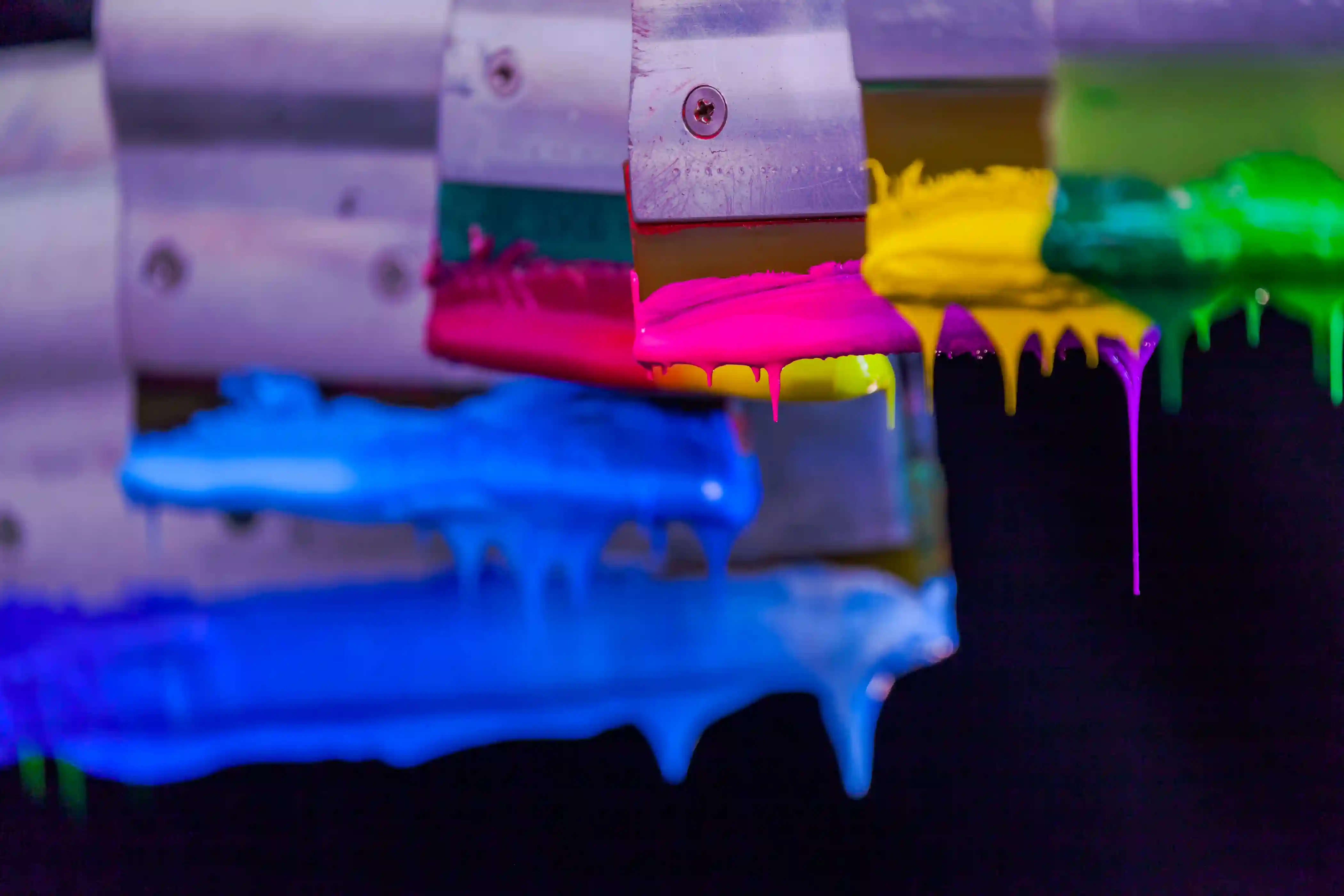
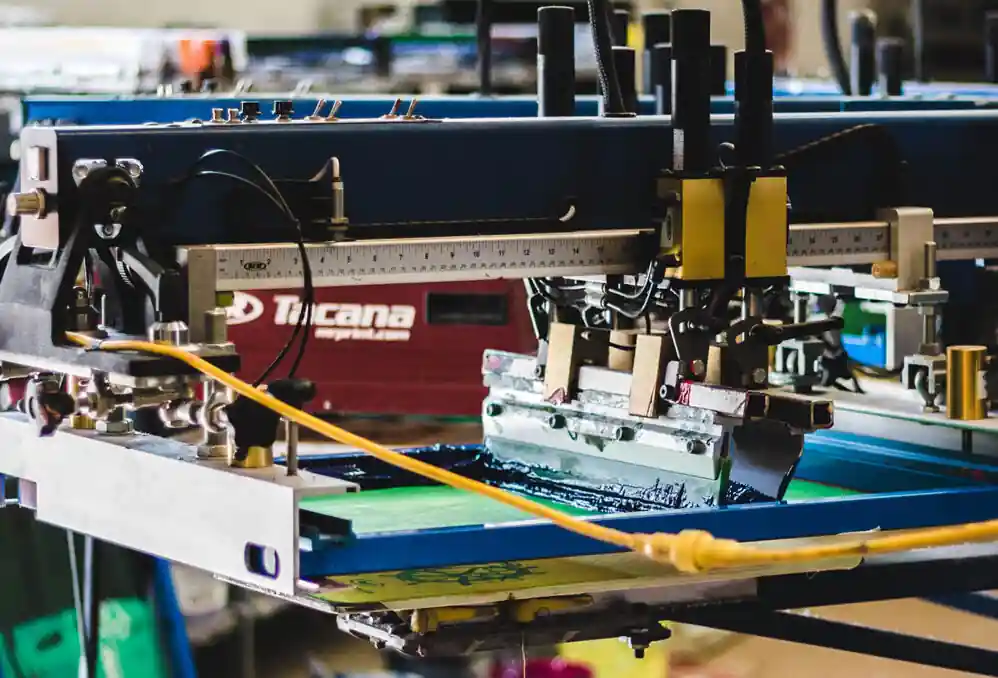
Screen printing is a printing technique used to reproduce documents or images on any material, in this case textiles. It consists of transferring ink through a mesh stretched across a frame. The passage of the ink is blocked in the areas where there will be no image, using an emulsion or varnish created with an exposure machine that leaves the area where the ink will pass free. The printing system is repetitive, meaning that once the first model has been validated, the print can be repeated hundreds or even thousands of times without losing any definition. Screen printing is a technique recommended for minimum orders of 75 units.
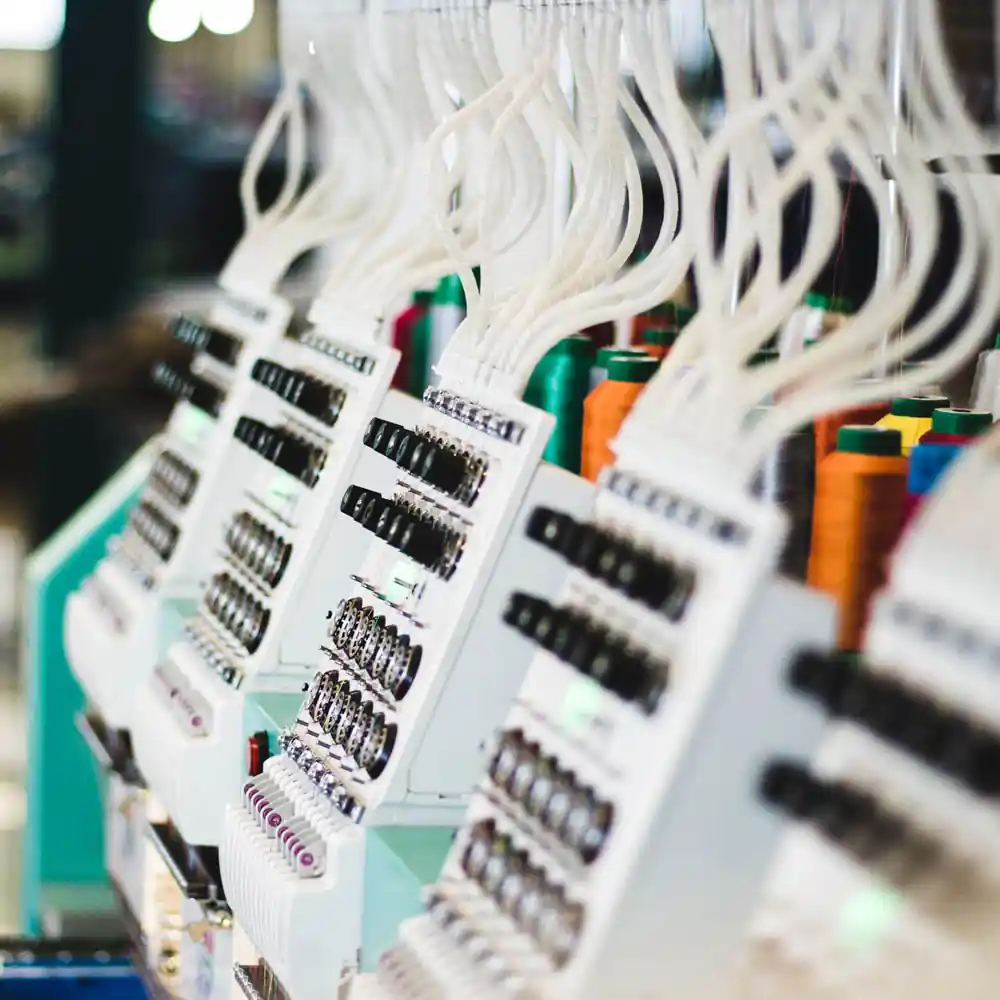
Embroidery
Embroidery begins with the digitisation of the design, an essential step that converts the original drawing into a special file for embroidery machines. This file defines the type of stitch, the colours, the number of threads and the perforation points. The level of complexity of the digitisation will influence the production cost. It should be noted that very small details cannot always be reproduced well in the final embroidery.The fabric material is a determining factor, as it influences the number of stitches required: for example, a T-shirt will require a different configuration than a pair of jeans. Each material (polyester, wool, cotton, fleece, etc.) has its own stitch adaptation.
Digital Garment Print
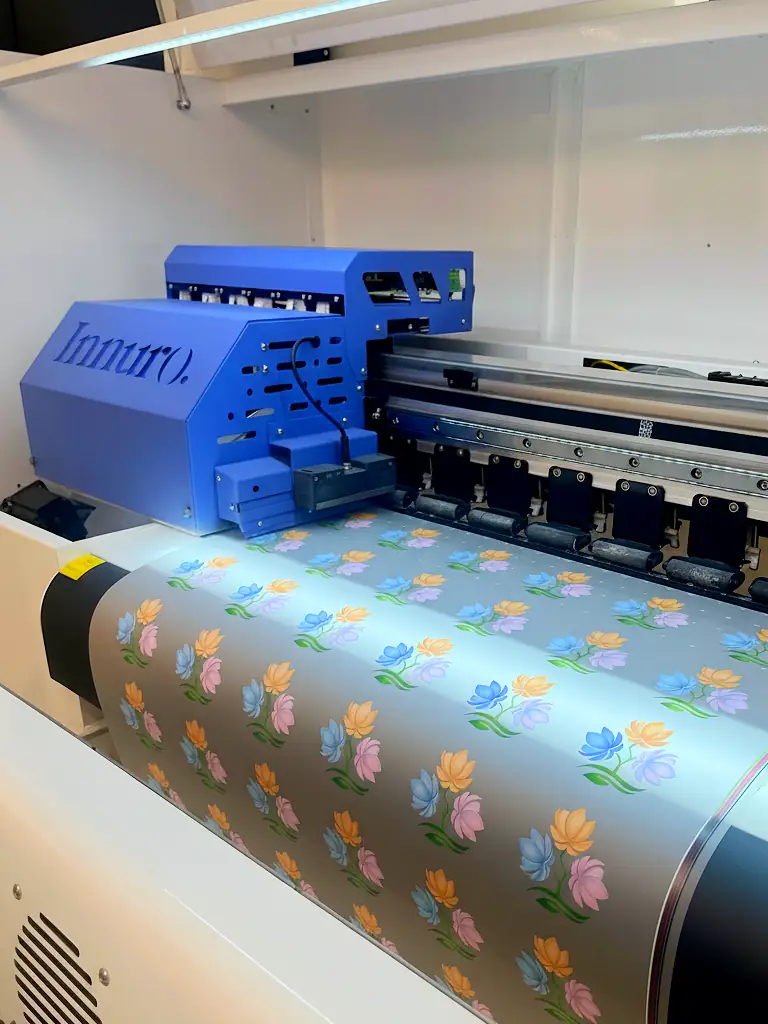
In the textile printing sector, the DTF (Direct to Film) technique is one of the most popular methods for transferring high-quality designs onto garments.The DTF technique involves printing the design onto a special film using CMYK and white inks. An adhesive powder is then applied and, after curing the design, it is transferred to the garment using a heat press. This technique is known for its ability to adapt to different types of fabrics and colours, including dark garments, and to various materials, such as cotton and polyester.Advantages of DTF printing:Suitable for cotton, polyester and blends.Ideal for light and dark garments.Highly recommended for designs with a wide variety of colours or with colour blends or gradients that are difficult to print using other techniques.Vivid colours and high opacity.Low to moderate initial cost.Recommended for printing a medium or low number of garments.